

HMRC concedes on penalties for late self-assessment
For weeks tax experts have been pressuring HMRC to scrap penalties for late filing of 2019/20 self-assessment tax returns. Until now HMRC has refused. Today it’s made a partial concession. What’s the full story?
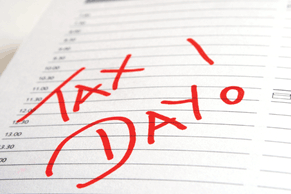
The pressure has been mounting on HMRC and the government to give a general amnesty for taxpayers who submit their 2019/20 self-assessment tax return online later than the usual filing deadline of 31 January 2021. HMRC hasn’t gone that far but has agreed that anyone who can’t file their return by the deadline won’t receive a late filing penalty if they file online by 28 February.
In its statement, HMRC hasn’t mentioned the penalties charged for those who were late submitting their 2019/20 paper self-assessment tax return which was due by 31 October. We’ll have to wait to see if it decides to retrospectively cancel some or all of them.
The announcement doesn’t change any statutory right to have a late filing penalty canceled if the taxpayer have a reasonable excuse for submitting their tax return after the deadline. This means if anyone can’t file your return by 28 February they still have the right to appeal against the £100 penalty that HMRC will automatically issue.
Related Topics
-
Save tax by combining directors’ loan accounts
You started a company last year and it’s time to prepare its first accounts. Your director’s loan account (DLA) is in credit but your spouse’s is overdrawn. Might amalgamating the DLAs avoid or reduce a tax charge?
-
Updated guidance on mandatory payrolling of benefits in kind
Much like the rollout of mandatory payrolling of benefits in kind, HMRC guidance on the matter is coming in dribs and drabs. What's the latest?
-
Give your children a cheap mortgage
Your son is struggling to get on the property ladder and current mortgage interest rates are making it harder. You’re over the inheritance tax (IHT) threshold but you’re reluctant to give him the money because you’ve heard horror stories about others losing half of it in a divorce. Is a family loan the solution for both of you?





 This website uses both its own and third-party cookies to analyze our services and navigation on our website in order to improve its contents (analytical purposes: measure visits and sources of web traffic). The legal basis is the consent of the user, except in the case of basic cookies, which are essential to navigate this website.